MALNUTRITION

Malnutrition involves a dietary deficiency.
People may eat too much of the wrong type of food
and have malnutrition, but this article will focus on
undernutrition as well as overnutrition, when a person
lacks nutrients because they do not consume enough
food or tey take much of food.
 Obesity is caused by eating too many calories compared to the amount of exercise the individual is performing, causing a distorted energy balance. It can lead to diseases such as cardiovascular disease and diabetes.
Obesity is a condition in which the natural energy reserve, stored in
the fatty tissue of humans and other mammals, is increased to a point
where it is associated with certain health conditions or increased
mortality.
Obesity is caused by eating too many calories compared to the amount of exercise the individual is performing, causing a distorted energy balance. It can lead to diseases such as cardiovascular disease and diabetes.
Obesity is a condition in which the natural energy reserve, stored in
the fatty tissue of humans and other mammals, is increased to a point
where it is associated with certain health conditions or increased
mortality.
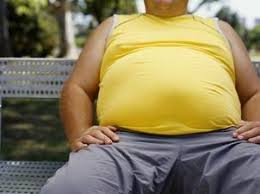 The low-cost food that is generally affordable to the poor in
affluent nations is low in nutritional value and high in fats, sugars
and additives. In rich countries, therefore, obesity is often a sign of
poverty and malnutrition while in poorer countries obesity is more
associated with wealth and good nutrition. Other non-nutritional causes
for obesity included: sleep deprivation, stress, lack of exercise, and heredity.
The low-cost food that is generally affordable to the poor in
affluent nations is low in nutritional value and high in fats, sugars
and additives. In rich countries, therefore, obesity is often a sign of
poverty and malnutrition while in poorer countries obesity is more
associated with wealth and good nutrition. Other non-nutritional causes
for obesity included: sleep deprivation, stress, lack of exercise, and heredity.
Acute overeating can also be a symptom of an eating disorder.
Goitrogenic foods can cause goitres by interfering with iodine uptake.
Iron overload disorders are diseases caused by the overaccumulation of iron in the body. Organs commonly affected are the liver, heart and endocrine glands in the mouth.
Malnutrition involves a dietary deficiency.
People may eat too much of the wrong type of food
and have malnutrition, but this article will focus on
undernutrition as well as overnutrition, when a person
lacks nutrients because they do not consume enough
food or tey take much of food.
Overnutrition
Metabolic
Acute overeating can also be a symptom of an eating disorder.
Goitrogenic foods can cause goitres by interfering with iodine uptake.
Vitamins and micronutrients
Vitamin poisoning is the condition of overly high storage levels of vitamins, which can lead to toxic symptoms. The medical names of the different conditions are derived from the vitamin involved: an excess of vitamin A, for example, is called "hypervitaminosis A".Iron overload disorders are diseases caused by the overaccumulation of iron in the body. Organs commonly affected are the liver, heart and endocrine glands in the mouth.
Deficiencies(undernutrition)
 Proteins/fats/carbohydrates
Dietary vitamins and minerals
- Calcium
- Niacin (Vitamin B3)
- Vitamin C
- Vitamin D
- Iodine deficiency
- Selenium deficiency
- Iron deficiency
- Zinc
- Growth retardation
- Thiamine (Vitamin B1)
- Undernutrition is a deficiency of calories or of one or more essential nutrients.
-
Undernutrition may develop because people cannot obtain or prepare food, have a disorder that makes eating or absorbing food difficult, or have a greatly increased need for calories.
-
Undernutrition is often obvious: People are underweight, bones often protrude, their skin is dry and inelastic, and their hair is dry and falls out easily.
-
Doctors can usually diagnose undernutrition based on the person's appearance, height and weight, and situation (including information about diet and weight loss).
-
People are given food in gradually increasing amounts, by mouth if possible but sometimes through a tube passed down the throat to the stomach or inserted into a vein (intravenously).
Undernutrition is usually thought of as a deficiency primarily of calories (that is, overall food consumption) or of protein. Deficiencies of vitamins and deficiencies of minerals are usually considered separate disorders. However, when calories are deficient, vitamins and minerals are likely to be also. Undernutrition, which is often used interchangeably with malnutrition, is actually a type of malnutrition.
Malnutrition is an imbalance between the nutrients the body needs and the nutrients it gets. Thus, malnutrition also includes overnutrition (consumption of too many calories or too much of any specific nutrient—protein, fat, vitamin, mineral, or other dietary supplement), as well as undernutrition.
The United Nations Food and Agriculture Organization reported in 2015 that about 795 million people worldwide were chronically undernourished. Most live in developing countries. This number has decreased by 167 million over the past decade (see also the Food and Agriculture Organization web site).
In developed countries, undernutrition is usually far less common than overnutrition. However, certain conditions increase the risk of undernutrition. These conditions include the following:
-
Being very poor
-
Being homeless
-
Having psychiatric disorders
-
Being very ill (being ill may make people unable to eat enough food because they have lost their appetite or because their body’s need for nutrients is greatly increased)
-
Being young (infant, children, and adolescents are at risk of undernutrition because they are growing and thus need a lot of calories and nutrients)
-
Being older
About 1 of 7 older people who live in the community consume fewer than 1,000 calories a day—not enough for adequate nutrition. As many as half of older people in hospitals and long-term care facilities do not consume enough calories.
When not enough calories are consumed, the body first breaks down its own fat and uses it for calories—much like burning the furniture to keep a house warm. After fat stores are used up, the body may break down its other tissues, such as muscle and tissues in internal organs, leading to serious problems, including death.
Protein-Energy Undernutrition
Protein-energy undernutrition (also called protein-energy malnutrition) is a severe deficiency of protein and calories that results when people do not consume enough protein and calories for a long time.
In developing countries, protein-energy undernutrition often occurs in children. It contributes to death in more than half of children who die (for example, by increasing the risk of developing life-threatening infections and, if infections develop, by increasing their severity). However, this disorder can affect anyone, regardless of age, if food supplies are inadequate.
Protein-energy undernutrition has two main forms:
-
Marasmus
-
Kwashiorkor
Marasmus
 Marasmus is a severe deficiency of calories and protein. It tends
to develop in infants and very young children. It typically results in
weight loss and dehydration. Breastfeeding usually protects against
marasmus.
Marasmus is a severe deficiency of calories and protein. It tends
to develop in infants and very young children. It typically results in
weight loss and dehydration. Breastfeeding usually protects against
marasmus.
Starvation is the most extreme form of marasmus (and undernutrition). It results from a partial or total lack of essential nutrients for a long time.
Kwashiorkor
Kwashiorkor is a severe deficiency more of protein than of calories. Kwashiorkor is less common than marasmus. The term is derived from an African word meaning “first child–second child” because a first-born child often develops kwashiorkor when the second child is born and replaces the first-born child at the mother’s breast. Because children tend to develop kwashiorkor after they are weaned, they are usually older than those who have marasmus.
Kwashiorkor tends to be confined to certain areas of the world where staple foods and foods used to wean babies are deficient in protein even though they provide enough calories as carbohydrates. Examples of such foods are yams, cassava, rice, sweet potatoes, and green bananas. However, anyone can develop kwashiorkor if their diet consists mainly of carbohydrates. People with kwashiorkor retain fluid, making them appear puffy and swollen. If kwashiorkor is severe, the abdomen may protrude.
Causes of Undernutrition
Undernutrition may result from the following:
-
Lack of access to food
-
Disorders or drugs that interfere with the intake, processing (metabolism), or absorption of nutrients
-
A greatly increased need for calories
People may lack access to food because they cannot afford it, have no way to get to a store, or are physically unable to shop. In some parts of the world, food supplies are inadequate because of war, drought, flooding, or other factors.
Some disorders, such as malabsorption disorders, interfere with the absorption of vitamins and minerals. Surgery that involves removing part of the digestive tract can have the same effect. Some disorders, such as AIDS, cancer, or depression, make people lose their appetite and consume less food, resulting in undernutrition.
Taking certain drugs may contribute to undernutrition. Drugs may do the following:
-
Decrease appetite: Examples are drugs used to treat high blood pressure (such as diuretics), heart failure (such as digoxin), or cancer (such as cisplatin).
-
Cause nausea, which decreases appetite
-
Increase metabolism (such as thyroxine and theophylline) and thus increase the need for calories and nutrients
-
Interfere with the absorption of certain nutrients in the intestine
Also, stopping certain drugs (such as antianxiety drugs and antipsychotic drugs) or stopping consumption of alcohol may lead to weight loss.
Drinking too much alcohol, which has calories but little nutritional value, decreases the appetite. Because alcohol damages the liver, it can also interfere with the absorption and use of nutrients. Alcoholism can cause deficiencies of magnesium, zinc, and certain vitamins, including thiamin.
Smoking dulls taste and smell, making food less appealing. Smoking also seems to cause other changes in the body that contribute to a low body weight. For example, smoking stimulates the sympathetic nervous system, which increases the body’s use of energy.
Some conditions greatly increase the number of calories needed. They include infections, injury, an overactive thyroid gland (hyperthyroidism), extensive burns, and a long-lasting fever.
In older people, many factors, including age-related changes in the body, work together to cause undernutrition (see Spotlight on Aging: Undernutrition).
Causes of Undernutrition
Cause
Examples
Lack of access to food
Famine
Inability to obtain food (for example, due to lack of transportation or physical impairment)
Poverty
Conditions that restrict the amount or type of food eaten
Fad diets
Some vegan or vegetarian diets
Voluntary restriction of calories (as for a strict reducing diet or a fast)
Conditions that interfere with the intake, metabolism, or absorption of nutrients
Drug abuse
Impaired mental function, such as dementia
Inflammatory bowel disorders (such as Crohn disease and ulcerative colitis)
Sometimes surgery to promote weight loss (bariatric surgery)
Drugs that interfere with the intake, metabolism, or absorption of nutrients
Some drugs used to treat anxiety, high blood pressure, heart failure, an underactive thyroid gland (hypothyroidism), asthma, or cancer
Conditions that greatly increase the need for calories
Demanding exercise, such as rehabilitation or training for athletic competition
Injury, such as burns
High fever
Infections that are widespread or severe
Growth and development in infants, children, and adolescents
An overactive thyroid gland (hyperthyroidism)
Pregnancy and breastfeeding
Surgery
Symptoms of Undernutrition
The most obvious sign of a calorie deficiency is loss of body fat (adipose tissue).
How Starvation Affects the Body
Body Area Affected
Effects
Digestive system
Decreased production of stomach acid
Shrinking of the stomach
Frequent, often fatal diarrhea
Cardiovascular system (heart and blood vessels)
Reduced heart size, reduced amount of blood pumped, slow heart rate, and low blood pressure
Ultimately, heart failure
Respiratory system
Slow breathing and reduced lung capacity
Ultimately, respiratory failure
Reproductive system
Reduced size of the ovaries and testes
Loss of sex drive (libido)
Cessation of menstrual periods
Nervous system
Apathy and irritability
In children, sometimes intellectual disability
Impaired mental function, particularly in older people
Numbness or tingling, particularly in the feet and hands
Muscles
Reduced muscle size and strength, impairing the ability to exercise or work
Blood
Anemia
Metabolism (processes the body uses to convert food into energy or to synthesize needed substances)
Low body temperature (hypothermia)
Accumulation of fluid in the arms, legs, and abdomen
Disappearance of fat
Skin and hair
Thin, dry, inelastic skin
Dry, sparse hair that falls out easily
A tendency to bruise easily
Immune system
Impaired ability to fight infections and repair wounds
If people starve for about 1 month, they lose about one fourth of their body weight. If starvation continues for a longer time, adults can lose up to half of their body weight, and children can lose even more. Bones protrude, and the skin becomes thin, dry, inelastic, pale, and cold. Eventually, fat in the face is lost, causing the cheeks to look hollow and the eyes to seem sunken. The hair becomes dry and sparse, falling out easily.
Severe wasting away of muscle and fat tissue is called cachexia. Cachexia is thought to result from excess production of substances called cytokines, which are produced by the immune system in response to a disorder, such as infection, cancer, or AIDS.
Other symptoms include fatigue, an inability to stay warm, diarrhea, loss of appetite, irritability, and apathy. In very severe cases, people may become unresponsive (called stupor). People feel weak and are unable to do their normal activities. In women, menstrual periods become irregular or stop. If undernutrition is severe, fluid may accumulate in the arms, legs, and abdomen.
The number of some types of white blood cells decreases, resembling what happens in people who have AIDS. As a result, the immune system is weakened, increasing the risk of infections.
If the calorie deficiency continues for a long time, liver, heart, and/or respiratory failure may develop. Total starvation (when no food is consumed) is fatal in 8 to 12 weeks.
Children who are severely undernourished may not grow normally. Behavioral development may be markedly slow, and mild intellectual disability may develop and continue until at least school age. Undernutrition, even when treated, may have long-lasting effects in children. Impairments in intellectual ability and digestive problems may persist, sometimes throughout life.
With treatment, most adults recover fully.
Diagnosis of Undernutrition
-
A doctor's evaluation
-
Sometimes blood tests
Doctors can usually diagnose undernutrition by asking questions about diet and weight loss and by doing a physical examination. Severe, long-standing undernutrition can usually be diagnosed based on the person's appearance and history.
Doctors may also ask questions about the ability to shop for and prepare food, the presence of other disorders, the use of drugs, mood, and mental function. They may use standardized questionnaires to help them obtain relevant information. The answers to these questions may help confirm the diagnosis, particularly when undernutrition is less obvious, and may help identify a cause. Identifying the cause is particularly important in children.
As part of the physical examination, doctors do the following:
-
Measure height and weight
-
Determine the body mass index (BMI)
-
Often measure the circumference of the upper arm—a quick, simple way to check for loss of muscle and fat
-
Check for other symptoms that may indicate undernutrition (such as changes in the skin and hair and accumulation of fluid in the limbs or abdomen)
What they find helps them confirm the diagnosis and determine how severe undernutrition is.
Testing
Whether tests are done depends on the circumstances. For example, if the cause is obvious and can be corrected, tests are usually not needed.
The test most often done is a blood test to measure the level of albumin (which decreases when people do not consume enough protein). Doctors may also measure the number of certain types of white blood cells (which decreases as undernutrition worsens).
Skin tests may be done to check how well the immune system is functioning. A substance that contains an antigen (which normally triggers an immune reaction) is injected under the skin. If a reaction occurs within a certain amount of time, the immune system is functioning normally. A delayed reaction or no reaction indicates a problem with the immune system, which may be due to undernutrition.
If doctors suspect a vitamin or mineral deficiency, blood tests to measure levels of those nutrients are usually done.
If doctors suspect the cause is another disorder, other tests may be done to help identify the cause. For example, if people have diarrhea that is severe or persists despite treatment, doctors may check a sample of stool for microorganisms that can cause infection. Tests, such as urine tests and chest x-rays, may be done to look for infections.

Treatment of Undernutrition
-
Feeding, usually by mouth
-
Treatment of the cause
-
Sometimes tube or intravenous feeding
-
For severe undernutrition, sometimes drugs
For most people, treatment of undernutrition involves gradually increasing the number of calories consumed. Eating several small, nutritious meals each day is the best way. For example, people who have been starving are first fed small amounts of food often (6 to 12 times a day). Then, the amount of food is gradually increased. If children have diarrhea, feedings may be delayed for a day or two so that the diarrhea does not become worse. During this interval, they are given fluids.
People who have difficulty digesting solid food may need liquid supplements or a liquid diet. Often, lactose-free supplements (such as yogurt-based supplements) are used because many people have trouble digesting lactose (a sugar in milk products), and undernutrition can make the problem worse. If such people consume foods that contain lactose, diarrhea usually results.
Multivitamin supplements are also given to make sure people are getting all the nutrients they need.
Disorders that may be contributing to undernutrition (such as infection) are treated. Some experts recommend giving antibiotics to all severely undernourished children, even if no infection is apparent.
If undernutrition is severe, people may need to be hospitalized.
Feeding people too quickly after severe undernutrition can cause complications, such as diarrhea and imbalances in body water, glucose (a sugar), and other nutrients. These complications usually resolve if feeding is slowed.
Nutrients are given by mouth whenever possible. If they cannot be given by mouth, nutrients may be given using one of the following:
-
A tube inserted into the digestive tract (tube feeding)
-
A tube (catheter) inserted into a vein (intravenous feeding)
Tube feeding
Tube feeding (enteral nutrition) may be used to feed people whose digestive tract is functioning normally if they cannot eat enough to meet their nutritional needs (such as people with severe burns) or if they cannot swallow (such as some people who have had a stroke).
For tube feeding, a thin plastic tube (a nasogastric tube) is passed through the nose and down the throat until it reaches the stomach or small intestine (called nasogastric intubation). If tube feeding is needed for a long time, a feeding tube can be inserted directly into the stomach or small intestine through a small incision in the abdomen.
Food given through a tube should contain all the nutrients a person needs. Special solutions, including some for people with specific needs (such as restricted fluid intake), are available. Or, solid foods may be processed and given through a nasogastric tube. Tube feedings may be given slowly and continuously or in a larger amount (called a bolus) every few hours.
Tube feeding causes many problems, and the problems may be life threatening:
-
Inhalation (aspiration) of food into the lungs: For older people, aspiration is the most common problem caused by tube feeding. Aspiration of food can lead to pneumonia. Food is less likely to be aspirated when the solution is given slowly and when the head of the bed is elevated for 1 to 2 hours after tube feeding, reducing the risk of spitting food up (regurgitation).
-
Diarrhea and abdominal discomfort: Changing the solution or giving it more slowly may lessen these problems.
-
Irritation of tissues: The tube may irritate and erode tissues of the nose, throat, or esophagus. If tissues become irritated, the feeding tube can usually be removed, and feedings can be continued using a different type of tube.
Intravenous feeding
Intravenous feeding (parenteral nutrition) is used when the digestive tract cannot adequately absorb nutrients (for example, in people with a malabsorption disorder). It is also used when the digestive tract must be temporarily kept free of food (for example, in people with severe ulcerative colitis or severe pancreatitis).
Food given intravenously can supply part of a person’s nutritional requirements (partial parenteral nutrition) or all of them (total parenteral nutrition). Because total parenteral nutrition requires a large intravenous tube (catheter), it is inserted into a large vein, such as the subclavian vein, located under the collarbone.
Intravenous feeding can also cause problems:
-
Infection: Infection is a constant risk because the catheter is usually left in place for a long time and the solutions that pass through it contain a lot of glucose (a sugar), which promotes the growth of bacteria. People receiving total parenteral nutrition are closely monitored for signs of infection.
-
Too much water (volume overload): Giving too much water can cause fluid to collect in the lungs, making breathing difficult. Thus, doctors monitor the person’s weight and the amount of urine excreted regularly. They can sometimes reduce the risk by calculating the amount of water required before starting feedings.
-
Nutritional imbalances and deficiencies: Rarely, deficiencies of certain vitamins and minerals occur. Doctors periodically measure the blood levels of dissolved minerals (electrolytes), glucose, and urea (a measure of kidney function) to identify certain nutritional imbalances. They can then adjust the solution accordingly.
-
Decreased bone density: Total parenteral nutrition, when given for more than about 3 months, causes bone density to decrease in some people. The reason is unknown, and the best treatment is to temporarily or permanently stop this type of feeding.
-
Liver problems: Total parenteral nutrition can cause liver malfunction, most commonly in premature infants. Blood tests are done to monitor liver function.
-
Gallbladder problems: Gallstones may develop. Treatment involves adjusting the solution and, if possible, providing food by mouth or a feeding tube.
Drugs
People who are very undernourished are sometimes given drugs to increase appetite, such as dronabinol or megestrol, or drugs to increase muscle mass, such as growth hormone or an anabolic steroid (for example, nandrolone or testosterone).
-


Maoni
Chapisha Maoni